








Oud (also written ‘ud or oudh) is the dark, resinous heartwood formed when Aquilaria trees become infected with a specific mould — Phialophora parasitica. The tree produces a dense, aromatic resin as a defence response. This resin-saturated wood is oud: one of the most complex natural fragrances in the world, used for over 3,000 years in perfumery, religious ritual and home scenting across the Middle East, South Asia and East Asia.
What Exactly Is Oud?
Oud begins as an ordinary tropical tree — Aquilaria or Gyrinops species, native to a belt of forest stretching from northeast India through Southeast Asia. When the heartwood becomes infected with a specific parasitic mould, the tree mounts a defensive response: it saturates the infected tissue with a dense aromatic resin. Over decades, this resin transforms the pale, odourless heartwood into something extraordinary — dark, dense, complex and extraordinarily fragrant.
Only infected trees produce oud. The infection is unpredictable, which makes natural wild oud exceptionally rare. The World Wildlife Fund has listed several Aquilaria species as endangered, and wild harvesting is heavily regulated. Today most commercial oud is cultivated — farmed trees are deliberately inoculated — but the biochemical complexity remains the same.
Where Does Oud Come From?
Different producing regions yield oud with distinctly different scent profiles — the combination of Aquilaria species, local climate and soil, and the character of the mould infection all influence the final aroma.
Dark, barnyard, leather, earthy. The most pungent and animalic regional profile. Highly prized in the Gulf and considered the benchmark for serious collectors.
Sweeter, fruitier, softer. Honeyed top notes with a lighter woody base. Popular in mainstream perfumery and accessible as an introduction to oud.
Green, woody, sometimes slightly floral. Balanced and fresh compared to Hindi; widely used in blended fragrances and home scenting products.
Delicate, almost medicinal, with balsamic and slightly sweet characteristics. Considered among the most refined; the Trat region is particularly esteemed.
Smoky, resinous, dense. Similar to Hindi but with a more pronounced smoky character. Associated with traditional religious use in South Asian contexts.

What Does Oud Smell Like?
Oud defies easy categorisation — its biochemical complexity means it registers differently on different people and in different contexts. At its core, oud is warm, woody, deep and resinous. It has a natural darkness that other fragrances lack, and a quality described by perfumers as presence — a three-dimensional weight in a room.
The scent evolves with time: an initial woody-smoky opening gives way to a warmer, balsamic heart, finishing with a long-lasting musky-resinous drydown.
| Fragrance | Character | Longevity | Complexity | Best for |
|---|---|---|---|---|
| Oud (agarwood) | Warm, resinous, dark, woody, animalic | Very long | Exceptional (150+ compounds) | Conditioning spaces, formal occasions, layering |
| Sandalwood | Creamy, soft, milky wood | Long | Moderate | Meditative, calm environments |
| Frankincense | Resinous, lemony, slightly bitter | Moderate | Moderate | Religious/meditative spaces, uplift |
| Patchouli | Earthy, sweet, slightly musty | Very long | Moderate | Grounding, layering base |
Oud in Home Fragrance — The Different Formats
| Format | How it works | Intensity | Best for | NUHR example |
|---|---|---|---|---|
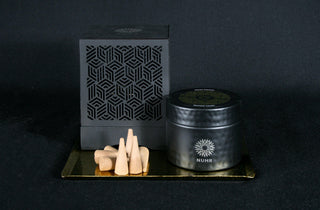
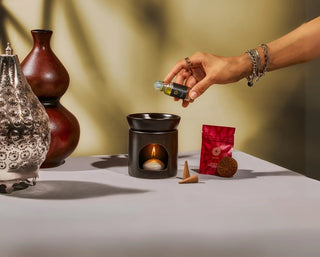
| Incense cones | Burn on a holder; smoke carries fragrance | Medium–high | After cooking, welcoming guests, deep conditioning | Rose & Oud Cones |
| Bakhoor | Loose chips burned on charcoal or electric burner | Very high | Traditional ritual, formal occasions, large spaces | See our bakhoor guide |
| Reed diffuser | Fragrance oil wicks through reeds continuously | Low–medium | Background ambient scent, always-on presence | Oud Arabia Diffuser |
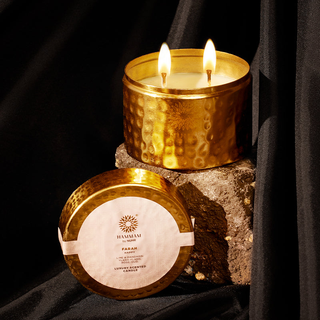
| Scented candle | Fragrance released through burning wax pool | Medium | Evening ambience, relaxation | Oud Majestic Candle |
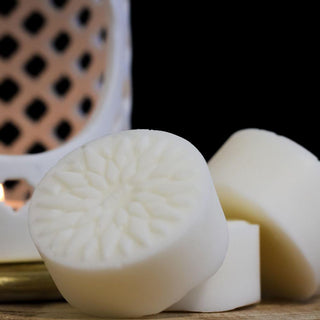
| Wax melts | Oud-scented wax melted in electric or tea-light warmer | Low–medium | Background warmth, continuous home ambience without flame | Rose & Oud Wax Melts |
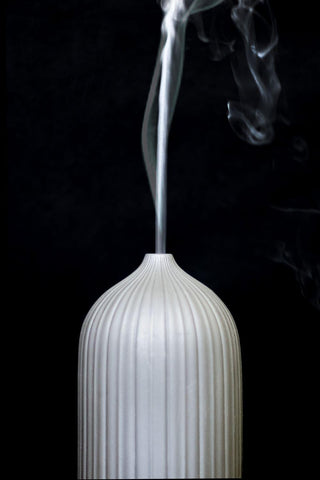
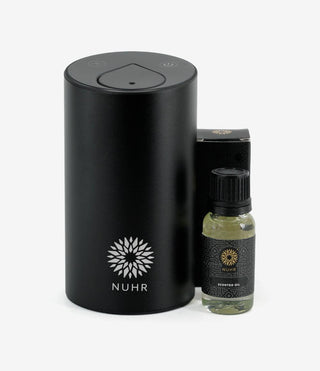
| Electric water diffuser | Add water and scented oil; device disperses fragrance as a fine mist into the air | Low–medium | Subtle continuous background scent; bedroom, study, office | Dubai Diffuser Bundle |
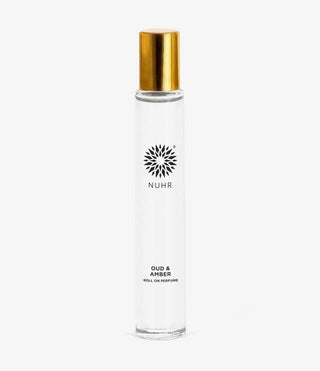
| Perfume EDP | Alcohol-based oud fragrance spray applied to skin or clothing | Medium–high | Personal fragrance; layering with home scent; gifting | Rose & Oud Perfume |
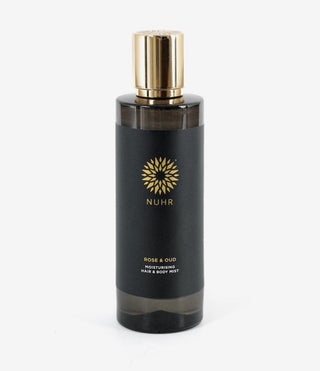
| Hair & body mist | Light oud fragrance spray applied to hair or body; no alcohol base | Low | Daily wear, light personal scent, after bathing | Rose & Oud Body Mist |
Oud in Perfumery
Oud entered mainstream Western perfumery significantly in the mid-2000s, when houses including Tom Ford, Dior and Yves Saint Laurent released oud-based fragrances. In traditional Arabic and South Asian perfumery, pure oud oil has been used for centuries as a standalone fragrance and a base for complex blends.
Oud Across Cultures
Middle East & Gulf
Oud burning is central to hospitality in Gulf culture — guests are welcomed with bakhoor passed beneath their clothing, and the scent of oud in a home signals generosity and honour. The Gulf remains the world's largest market for oud by value.
South Asia
In Bangladesh, India and Pakistan, oud is used in Islamic ritual contexts, Sufi music settings and traditional Ayurvedic practice. Assamese oud has the longest documented history of use in the subcontinent.
East Asia
In Japan, the practice of kōdō (the way of incense) treats oud appreciation as a refined cultural art. In China, chénxiāng has been used in Imperial court settings, Buddhist ritual and traditional medicine for over a millennium.
The West
Western engagement with oud began largely through perfumery. The home fragrance dimension of oud is now growing rapidly in the UK, driven partly by British South Asian and Middle Eastern communities and partly by broader luxury lifestyle interest.

A Beginner's Guide to Choosing Oud for Your Home
- Start with incense cones. No equipment needed, low commitment. NUHR's Welcome Pack is designed specifically for this.
- Choose a softer regional profile first. Cambodian and Malay-inspired ouds are more accessible than full Hindi. NUHR's Rose & Oud and Oud Arabia blends have a balanced character.
- Burn after cooking or before guests arrive. These are the two contexts where oud's depth makes the most immediate, noticeable difference.
- Layer formats gradually. Once comfortable with cones, add a reed diffuser for continuous background presence.
The NUHR Approach to Oud
NUHR Home was founded to bring the tradition of oud home scenting into modern British homes — without compromise on quality, authenticity or accessibility. All NUHR incense cones are alcohol-free and halal, built around oud as the foundational ingredient.


Frequently Asked Questions
Is oud the same as agarwood?
Yes. Oud and agarwood are the same material — oud is the Arabic term, agarwood the English botanical name. Both refer to the resin-saturated heartwood of infected Aquilaria or Gyrinops trees.
Why is oud so expensive?
Wild oud is rare: only a small percentage of Aquilaria trees develop the infection that produces oud, and harvesting requires felling or severely cutting the tree. Cultivated oud requires 8–15 years of growth and careful management before harvest.
Is oud halal?
Yes. Natural oud is a plant-derived resin and is fully permissible (halal). NUHR incense cones are additionally alcohol-free. The use of bakhoor and oud is explicitly mentioned favourably in hadith, and its use in Islamic ritual and daily life has a 1,400-year history.
How do I start using oud at home if I've never tried it?
Begin with oud incense cones — they're the most accessible format, require no equipment, and give you a clear sense of the fragrance in your own space. If you enjoy it, explore a reed diffuser for continuous background presence.
Is oud incense safe around children and pets?
General precautions apply as with any combustion: keep burning incense out of reach of children, ensure ventilation, and never leave burning incense unattended. For households with birds (whose respiratory systems are sensitive to smoke), extra caution and additional ventilation is advisable.
Recommended Next Reading
→ Why Oud Smells Different to Other Fragrances — understanding oud's distinctive animalic, woody character and why familiarity changes how most people experience it
→ Best Oud Scents for Beginners: Where to Start — once you know what oud is, this helps you choose where to begin
→ Bakhoor vs Incense Cones: What's the Difference? — if you are choosing a home fragrance format, this page clarifies the terminology
→ New to Oud? Start Here — the full orientation guide across all NUHR oud guides